Poker Terminology Every Dedicated Card Mind Learns
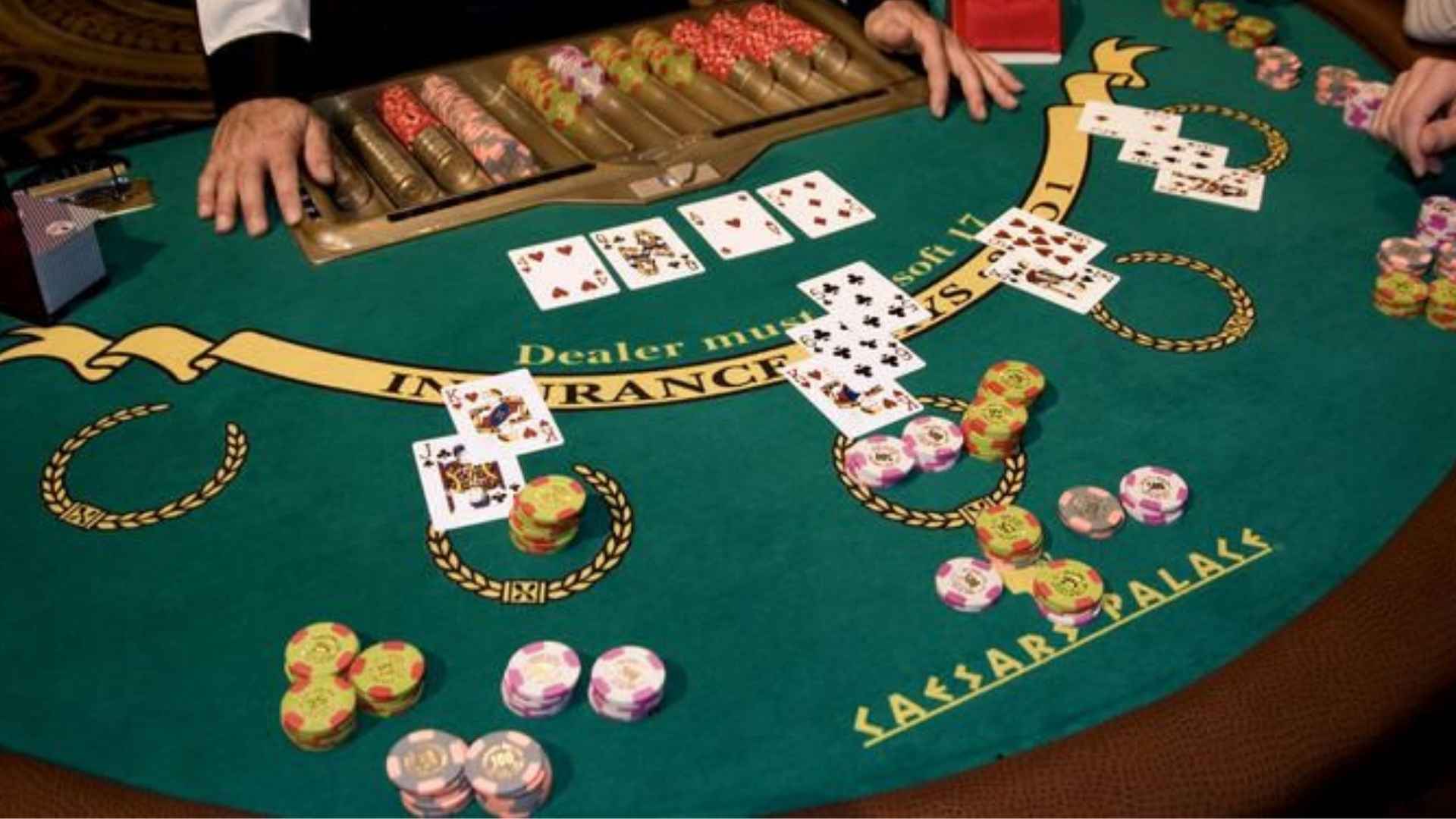
Stepping into the world of strategic card games requires a deep comprehension of the language spoken around the table. For players looking to transition from casual enthusiasts to serious competitors, mastering specialized vocabulary is just as crucial as understanding card probabilities. This guide explores the essential linguistic framework that shapes advanced table decisions and enhances gameplay analysis.
Deciphering Pre-Flop Range Dynamics
Dedicated players do not just look at individual cards; they think in terms of entire ranges. A linear range consists of strong hands valued for their direct equity, while a polarized range balances premium combinations with carefully selected bluffs. Understanding these concepts allows strategic minds to anticipate opponent tendencies before the community cards are even dealt.
When an opponent plays a condensed range, they are often holding medium-strength hands that look to catch a safe flop. Recognizing how these ranges interact helps you formulate counter-strategies that exploit positional advantages. Mastering this terminology is the first major milestone for anyone serious about long-term mathematical improvement.
Navigating Post-Flop Action Vocabulary
Once the initial community cards are revealed, the vocabulary shifts toward defining tactical actions and board textures. A continuation bet occurs when the pre-flop aggressor maintains their momentum by wagering again on the flop. This common maneuver tests the resolve of opponents who may have missed their expected connections.
Players must also assess whether a board is dry, meaning it offers few drawing opportunities, or wet, which presents numerous potential straight and flush combinations. Navigating these scenarios requires a sharp mental connection between the physical chips and the theoretical concepts they represent. Practicing these scenarios on a dedicated platform like an M88 casino portal can significantly accelerate your tactical development.
The Psychology of Table Behavior and Variance
Beyond the strict mathematics of ranges and bets, the game features a distinct lexicon dedicated to psychological elements. A player is said to be on tilt when emotional frustration from a previous loss causes them to make sub-optimal, overly aggressive choices. Recognizing this state in yourself or your opponents is critical for maintaining capital discipline during a long session.
Conversely, experiencing a bad beat describes a scenario where a highly favored hand loses to an unlikely runner-up card at the very end. Understanding that variance is a natural part of the competitive experience allows serious students to remain focused on long-term strategy rather than short-term outcomes. True card minds respect the math and communicate their insights using these precise structural terms.